 PepWay
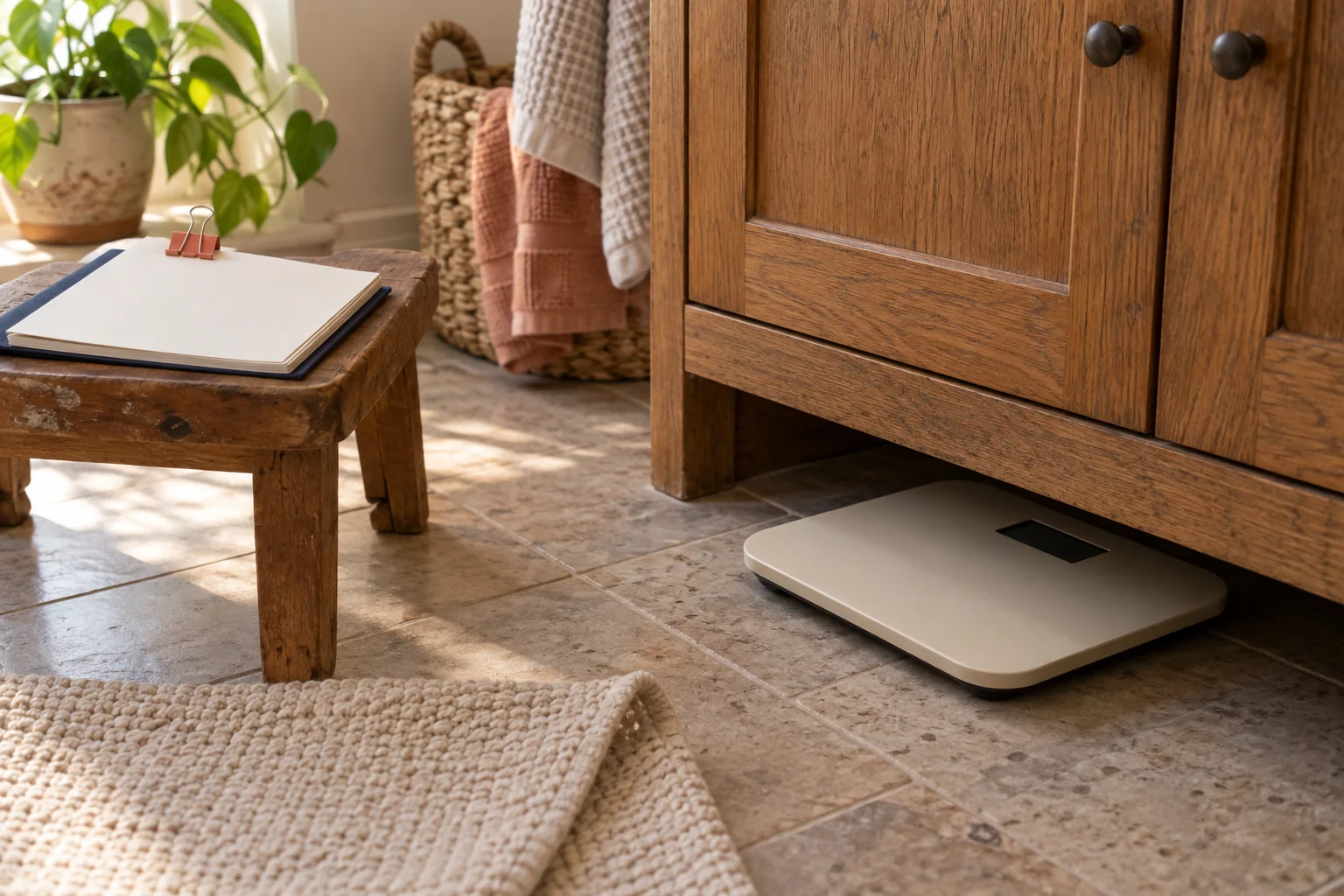
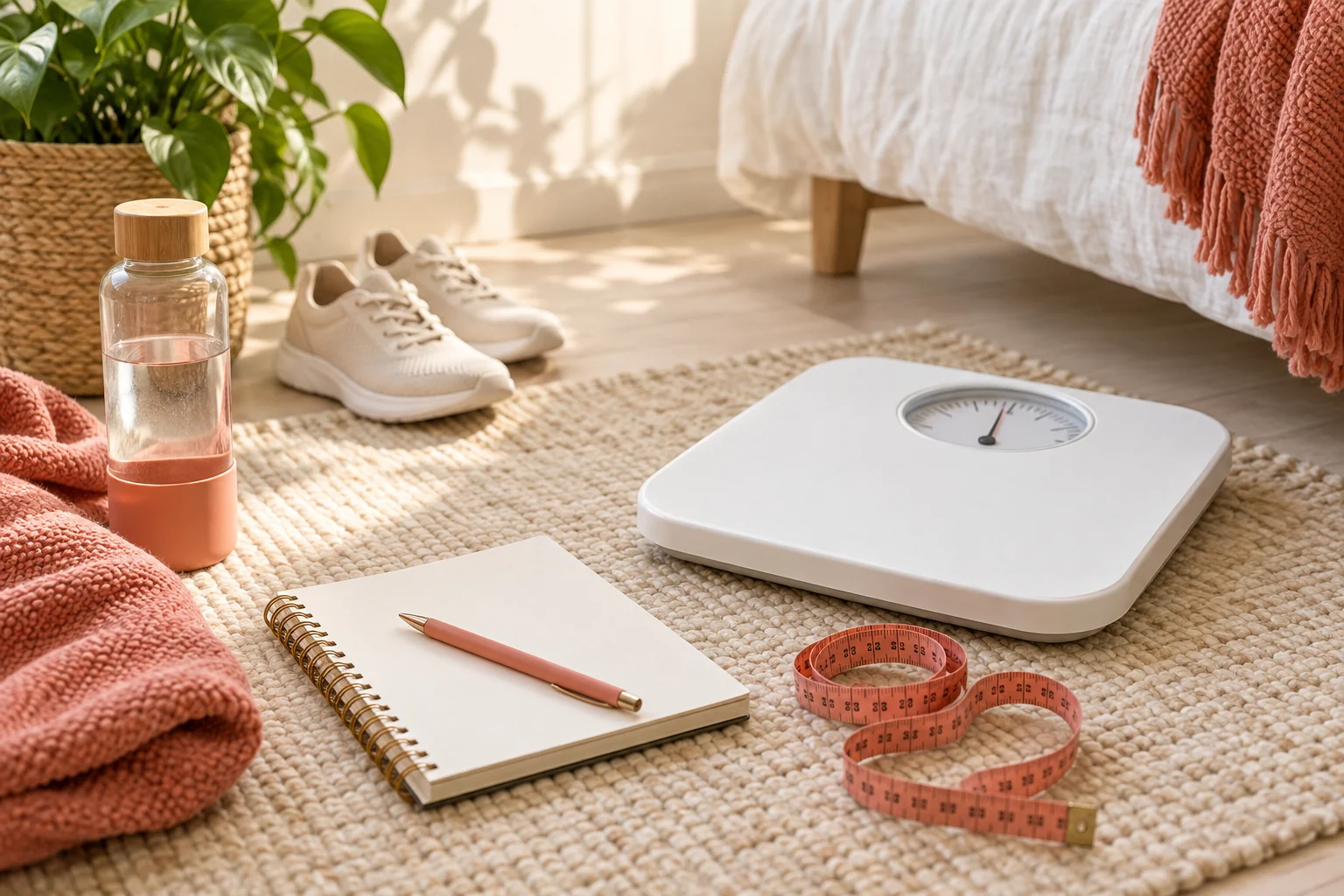
A single weight is an observation made under particular conditions, rather than a complete assessment of health or effort. When following a sequence, the most useful task is to make entries comparable and preserve their context. This supports conversations about progress without letting a difference on one day trigger hasty changes to your care.
Make weighing conditions consistent
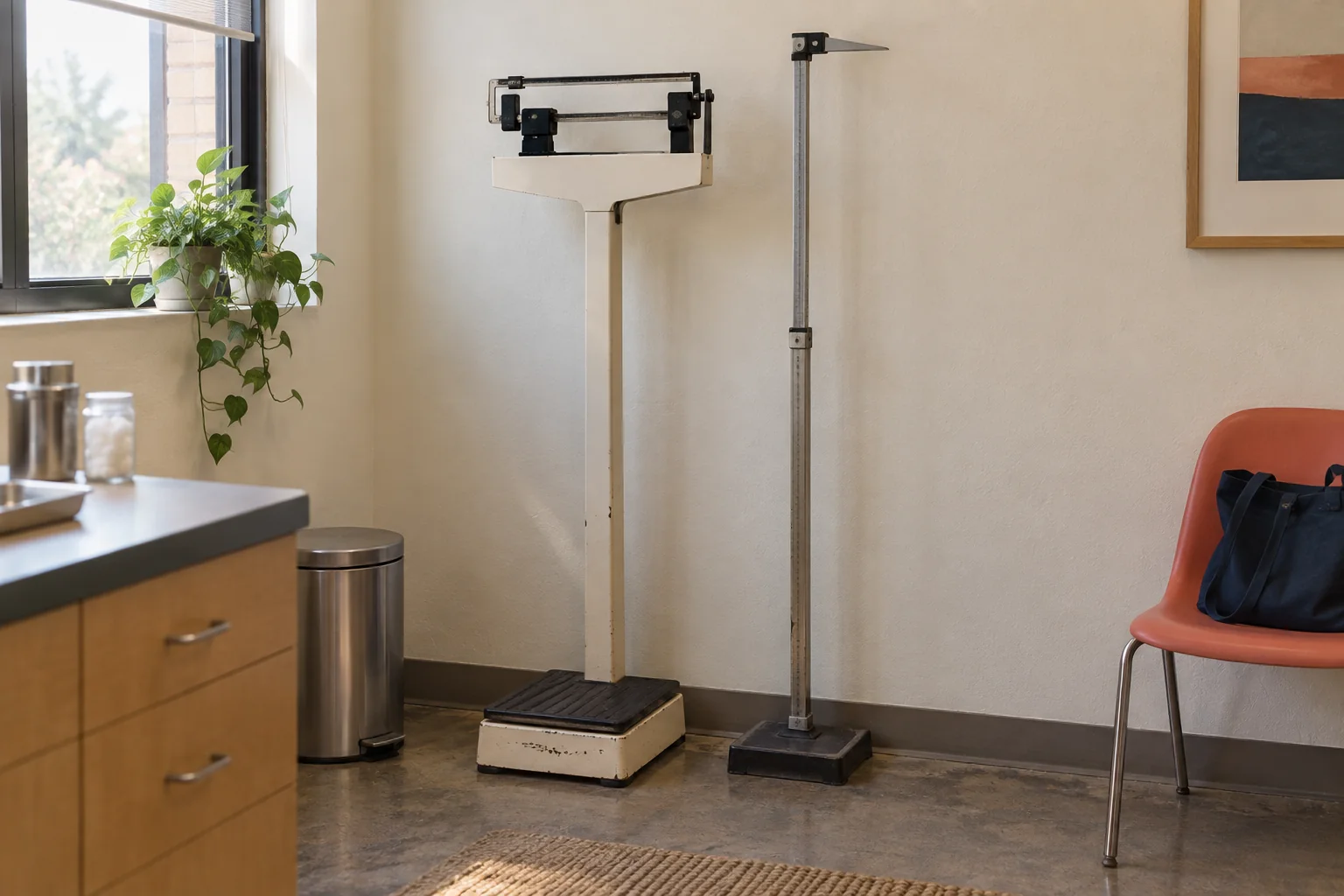
NHS England recommends consistent timing, scales, location and clothing when recording weight. Choose a workable routine and respect the frequency agreed with your team. If you change scales or weigh somewhere else, note the change. The unit should also remain clear. A travel reading from a different scale may be a valid observation, but it should not look perfectly equivalent to the entries collected under your usual conditions at home.
Understand what a sequence shows
A trend summarizes the direction of available values over a period, but it depends on which days were recorded. A week with few observations contains different information from one with regular entries. Do not fill gaps with imagined weights to make the graph continuous. If you use a summary or average, remember that it describes recorded data and cannot independently reveal body composition or explain why a change occurred during that period.
Add context without declaring a cause
Changed timing, clothing, travel, illness or a disrupted routine can help interpret the sequence. Describe events instead of asserting a cause without assessment. “Weighed on another scale” is an observation; “the medicine made me gain weight” is a conclusion a diary cannot establish on its own. Rapid unexplained change or accompanying symptoms deserves an appropriate discussion rather than waiting until the graph looks more reassuring or the next routine review arrives.
An example of a comparable review
Imagine a weekend weigh-in outside your usual routine. Instead of deleting it or adjusting the plan, identify its conditions and examine the overall picture.
Comparison organizes what you know; it is not a way to reward or punish a particular day’s result.
- Check the date, unit and source of every value.
- Highlight changes of scale or different conditions.
- Review a period suitable for the agreed follow-up, without selecting only favorable days.
- Leave periods without observations as real gaps.
- Bring a specific question about persistent or unexpected change to an appointment.
Include other health questions
NIDDK describes weight care as a process that can involve eating patterns, activity and professional support. When reviewing progress, also consider relevant symptoms, difficulties and how manageable the routine feels. Weight loss does not automatically establish adequate nutrition, preserved muscle or absence of adverse effects. If weighing causes anxiety or compulsive behavior, discuss a more appropriate form of follow-up. A diary should support care rather than dominate everyday decisions about your body and routine.
Choose the period before judging the result
If a comparison begins by selecting the most favorable points, it can hide what actually happened. Define a period relevant to follow-up, then review the available records and their gaps. If a professionally advised plan change occurred, mark its date without assuming it explains every movement in the series. This reading order keeps the question open: what can the data describe, and what still needs assessment? Your diary should preserve that distinction instead of offering certainty from selected points.
Frequently asked questions
Should I remove an unusual weigh-in?
Keep a correct observation with context. Correct entry mistakes without hiding a measurement merely because it differs from the rest.
Does one unchanged day mean treatment failed?
No. A single observation cannot assess effectiveness. Your team considers the period, goal, tolerance and other clinical information.
Sources and references
Documents and research consulted for this article. Each source describes its own context; a reference does not confirm every use of a substance.
- How to record your weight (opens in a new tab)NHS England · Accessed October 14, 2026
- Treatment for Overweight & Obesity (opens in a new tab)NIH NIDDK · Accessed October 14, 2026