 PepWay
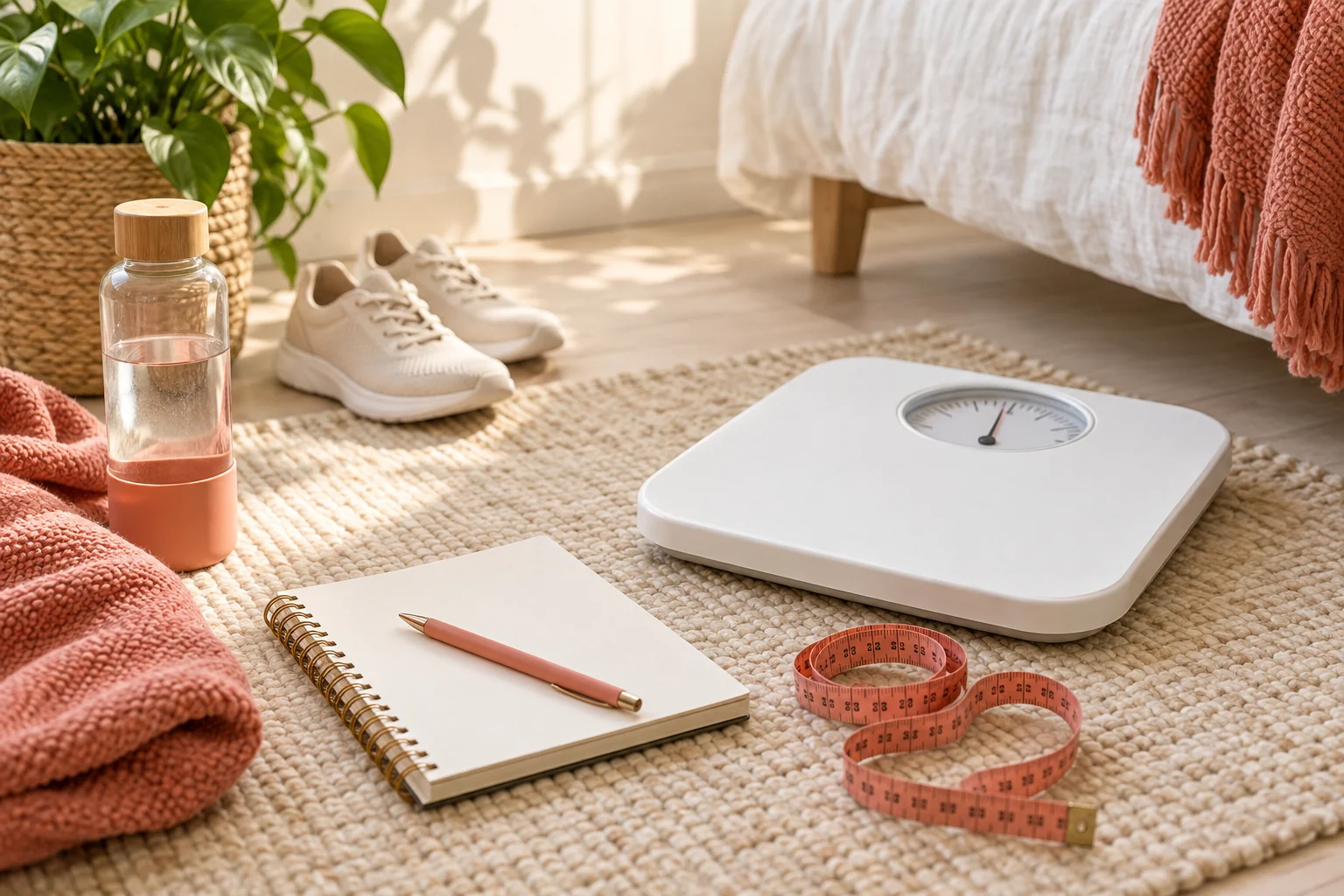
A tape measure can record a circumference change, but the reading depends on how you measured. Changing the reference point, posture or tape tension can make comparisons difficult. Before seeking more precision in an app, define a consistent measurement process and record what you actually observed, including uncertainties that a neat number would otherwise hide.
Name the measurement clearly
“Waist” can mean different things in informal records. Identify the region being followed and keep the reference you used. The CDC NHANES anthropometry manual illustrates that professional measurements follow standardized procedures. A personal record does not automatically match that method. If a measurement has a clinical purpose, ask your team to explain the appropriate procedure and avoid mixing methods within the same sequence as if all entries were collected in identical conditions.
Keep units and conditions
A circumference without a unit is incomplete information. Use centimeters or your chosen unit consistently, identifying any conversion made with appropriate help. Note different circumstances, such as clothing over the region or a measurement performed by somebody else. Do not add decimal places unsupported by the instrument or your reading. Precision on a screen cannot correct variation in the measurement method or turn an estimate into an exact observation that others can confidently interpret.
Do not turn a measurement into body composition
NIDDK presents waist size and BMI as information related to risk assessment within a broader context. Circumference alone cannot reveal how much change came from fat or muscle. It also cannot provide a reliable body-fat percentage from a photograph. When a sequence changes, first check how consistent the process was, then discuss the appropriate meaning with a professional rather than assuming the measurement proves a particular outcome.
Create a manual measurement record
Imagine a waist entry changed after you began measuring at a different point. The method difference should appear before any interpretation about results.
Avoid filling intermediate days with estimates. A short, honest sequence may be more informative than a long history that combines measurements collected in different ways.
- Identified region and reference point described according to the instructions received.
- Date, value and unit kept with the measurement.
- Person measuring, instrument and different conditions when relevant.
- Note about a difficult reading or an approximate value.
- Method change marked as the start of a different comparison condition.
Choose a review with a purpose
Ask why you are following the measurement and how you will use the information. An agreed follow-up frequency is different from repeatedly measuring in search of the lowest number. If recording increases anxiety or body comparison, discuss alternatives with your team. Bring measurements with context and without outcome promises. Organization should explain the process, including limitations and gaps, while leaving room for other aspects of health and everyday function that circumference cannot describe.
Identify a change of measurer
Measurements taken by you and by a professional may follow different conditions. If your team collected a measurement at an appointment, identify the source instead of silently mixing it with home observations. Ask whether the methods are comparable and preserve the answer. A difference between two values does not automatically mean somebody made a mistake; it may reflect different reference points, posture or processes. The history should preserve useful observations without appearing more precise than the measurement supports.
Frequently asked questions
Do extra decimal places improve a measurement?
Only when the measurement supports that precision. Numerical detail cannot compensate for method changes or uncertain readings.
Can I compare measurements taken at different points?
The comparison must acknowledge the method change. Separate those conditions and seek guidance if the measurement has a clinical purpose.
Sources and references
Documents and research consulted for this article. Each source describes its own context; a reference does not confirm every use of a substance.
- Am I at a Healthy Weight? (opens in a new tab)NIH NIDDK · Accessed October 14, 2026
- NHANES Anthropometry and Physical Activity Monitor Procedures Manual (opens in a new tab)CDC / National Center for Health Statistics · Accessed October 14, 2026