 PepWay
A short appointment is easier to use when your team can understand what you take today. A current medication list serves a different purpose from an event diary: it gives an overview of care. The challenge is choosing useful information without leaving out supplements, occasional products or differences between professional instructions and your actual routine.
Give the list a review date
Add a visible review date. “My medicines” can mean today’s items or everything used over the last year. Organize the summary into current products, items recently discontinued under professional guidance and unresolved questions. Do not leave out a product merely because you do not consider it a medicine. The FDA record form includes supplements and over-the-counter items, including those used only occasionally rather than as part of a daily schedule.
Check packages and instructions
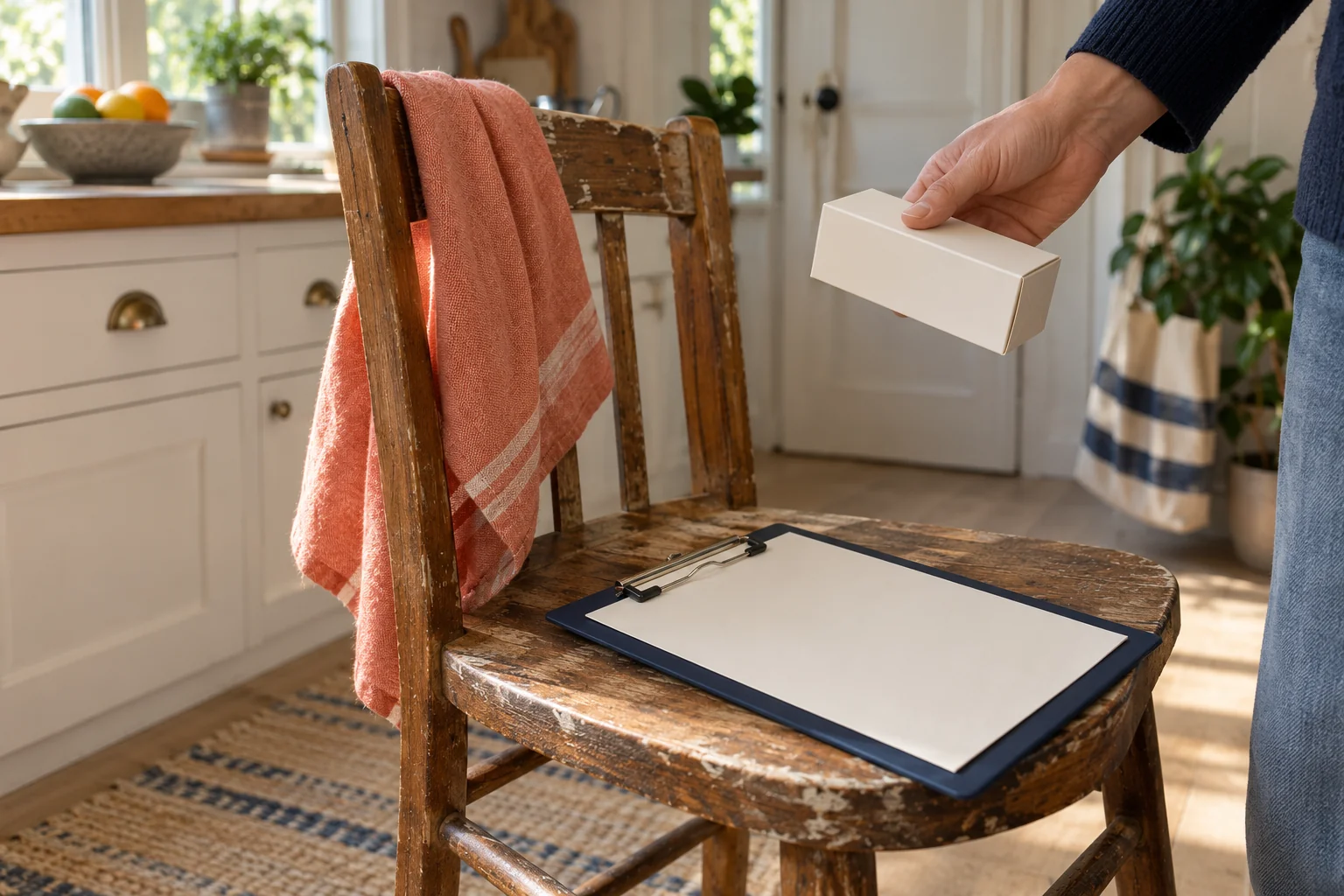
When preparing the list, compare names and formulations with the packaging and latest instructions. Different brands may contain the same active ingredient, and an old name may remain in your notes. Identify discrepancies without trying to resolve them yourself. A list saying “need to confirm this strength” is more useful than a tidy version containing an incorrect fact. Include the reason for use only when it was explained or is clearly understood.
Summarize relevant changes
Highlight what changed since the last appointment: a new item, a professionally advised discontinuation, a new formulation or difficulty following the plan. Use actual dates where available. If you recalled a change later, identify the approximate date. A history may help locate the period, but it does not have to occupy the entire page. Bring detailed records for specific questions while keeping an overview that someone can read quickly during the conversation.
Prepare one useful page
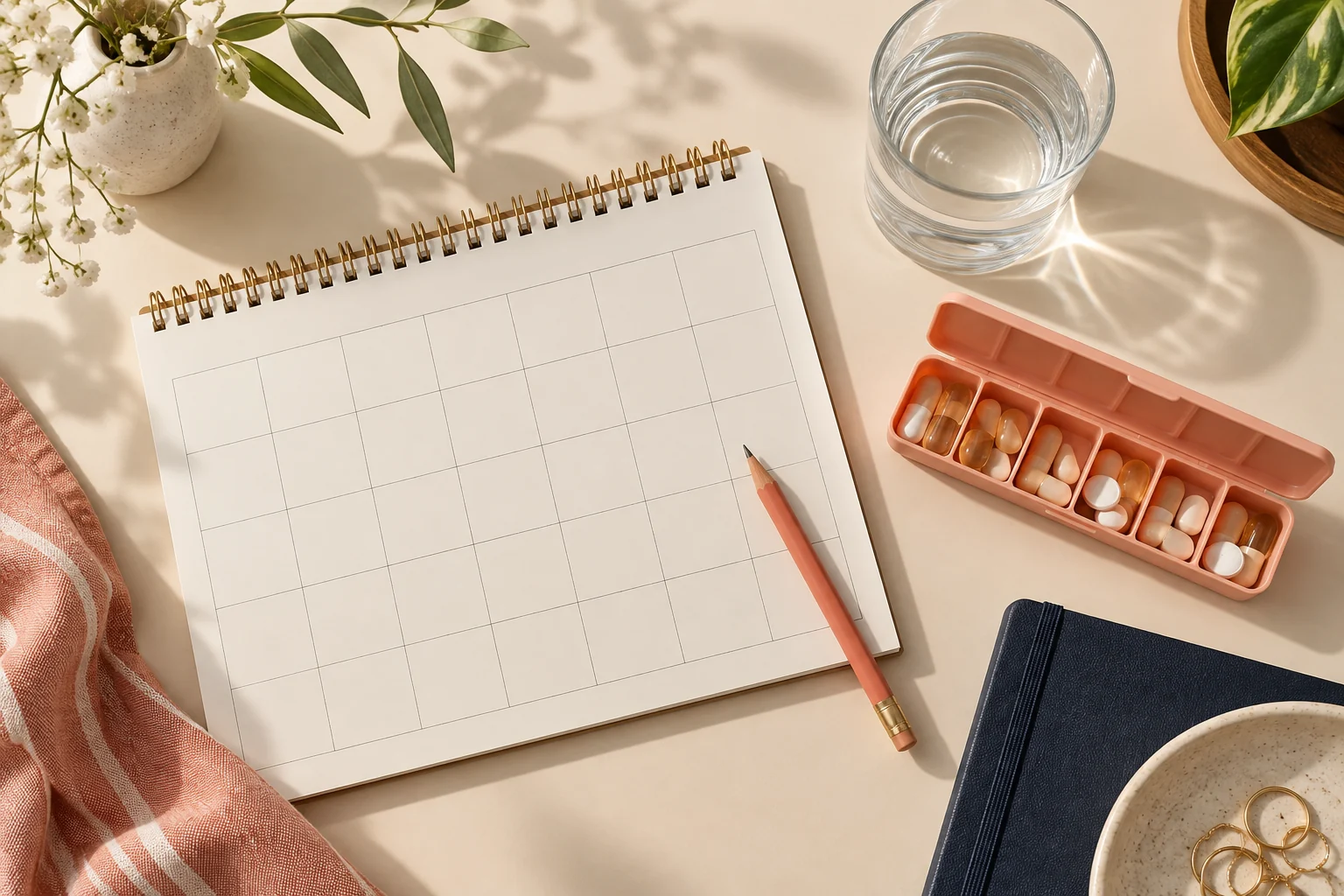
Think of the summary as a starting point for reviewing care with your team. You can organize these fields on paper or in a personal note:
For privacy, leave personal contacts and identity documents out of copies intended for people who do not need those details.
- Product name, formulation and current instructions copied from available references.
- Supplements, vitamins, over-the-counter products and items used only in particular situations.
- Known allergies or reactions without turning suspicions into confirmed diagnoses.
- Recent changes, who gave the instructions and unresolved identification questions.
- Two priority questions, such as a routine difficulty or a possible duplicate product.
Leave with a reviewed version
During the appointment, ask which items need clarification. NHS guidance recommends checking the safety of new products with a doctor or pharmacist in relation to regular medicines. Afterward, update the list with the advice actually received and record the review date. Preserve earlier versions to understand changes, but identify which version is current. If a question remains unanswered, leave it pending rather than filling in the missing information yourself.
Prepare to discuss what actually happens
If your real routine differs from the instructions received, state that clearly. Your team needs to understand access problems, forgetfulness or concerns rather than only an ideal version of the plan. Separate “current instructions” from “what I managed to do” in the summary. An honest list supports care questions without creating blame around gaps. Before leaving the appointment, check whether the answer resolved the identification or routine question that prompted your preparation in the first place.
Frequently asked questions
Should I include vitamin D?
Yes. Disclose vitamins and supplements you use so your team can review the whole picture and clarify potential interactions.
Must I bring every event entry?
A current summary often makes the opening conversation easier. Keep details available when they answer a specific question.
Sources and references
Documents and research consulted for this article. Each source describes its own context; a reference does not confirm every use of a substance.
- My Medicine Record (opens in a new tab)FDA · Accessed October 14, 2026
- Medicines and how to manage them (opens in a new tab)NHS — Guy’s and St Thomas’ · Accessed October 14, 2026